
In the ever-evolving world of education and learning, where information streams abundantly and access to expertise is just a click away, student-driven encyclopedias are emerging as a vibrant tool in the understanding process.
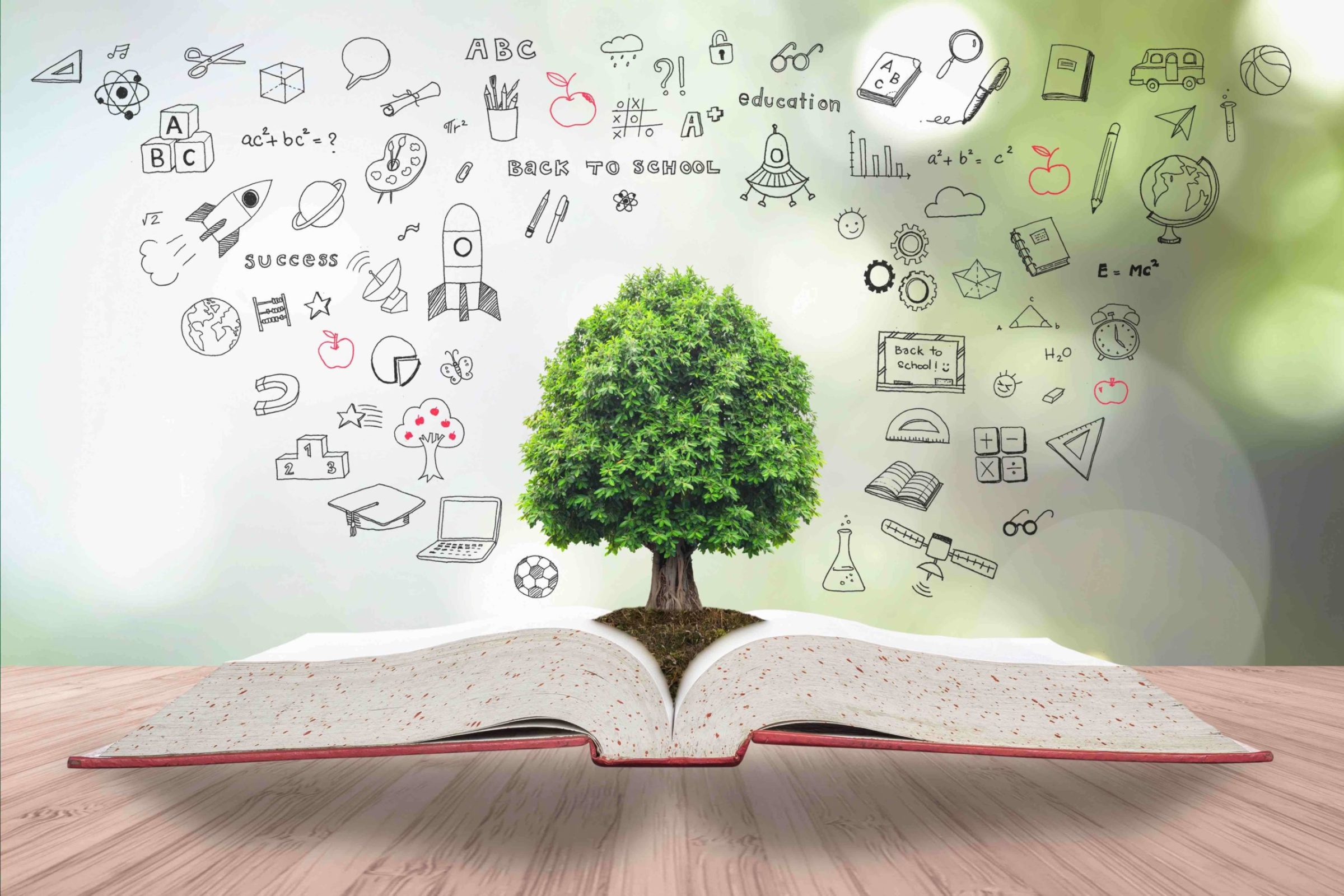
These systems not only give students with a database of information yet additionally urge them to contribute, modify, and curate content, promoting a collective and interactive learning atmosphere.
As instructional standards shift in the direction of more participatory and comprehensive versions, the principle of student-driven encyclopedias embodies this change. These platforms encourage students to come to be active participants in expertise development, connecting the void between standard textbook discovering and modern digital sources.
The Concept of Student-Driven Encyclopedias
Student-driven encyclopedias are electronic systems where pupils collectively collect, validate, and share details on a vast range of subjects. Unlike typical encyclopedias, which are often written by experts, these platforms utilize the joint initiatives of students to develop a detailed body of knowledge.

At their core, student-driven encyclopedias are made to cultivate crucial thinking, research skills, and digital proficiency amongst pupils. By engaging in the process of material creation, students learn to browse and examine information seriously, abilities that are necessary in today’s information-rich culture.
Furthermore, these systems act as a space for students to explore their passions and share their proficiency. This autonomous strategy to knowledge development makes sure that a varied series of point of views and voices are represented, improving the finding out experience for all participants.
- Students obtain hands-on experience in study and web content development.
- Urges cooperation and peer interaction.
- Promotes a deeper understanding of topic.
- Fosters inclusivity and diversity in knowledge representation.
In essence, student-driven encyclopedias transform students from passive recipients of details right into energetic contributors, instilling a sense of ownership and obligation in their instructional trip.
Benefits of Student-Driven Encyclopedias
One of the major advantages of student-driven encyclopedias is the growth of necessary 21st-century skills. As students take part in the process of material development, they refine their important thinking, electronic literacy, and communication skills, all of which are important in today’s interconnected world.
Additionally, these platforms urge a collaborative learning atmosphere, where pupils can collaborate to confirm information, debate different viewpoints, and co-edit write-ups. This peer-to-peer interaction not just enhances discovering outcomes yet likewise fosters a feeling of neighborhood and mutual respect among trainees.
In addition, student-driven encyclopedias provide a platform for showcasing trainee job. As trainees add to the encyclopedia, they construct a profile of their study and writing, which can be vital for more scholastic and professional quests.
Difficulties and Limitations

In spite of the various advantages, student-driven encyclopedias also deal with certain obstacles. Ensuring the precision and integrity of information is paramount, as these platforms rely on payments from students who might not yet possess expert-level expertise.
- Preserving content high quality and accuracy.
- Supplying adequate supervision and advice.
- Ensuring equitable gain access to and inclusivity.
To alleviate these difficulties, many student-driven encyclopedias apply a system of checks and equilibriums, where content is reviewed by teachers or professionals before magazine. This ensures that the details offered is both precise and credible, promoting the honesty of the system.
The Future of Student-Driven Encyclopedias
As technology remains to advancement and the landscape of education advances, the potential for student-driven encyclopedias is substantial. These platforms have the ability to not only enhance traditional instructional sources however likewise redefine the method expertise is acquired and shared.
In the future, we could see student-driven encyclopedias integrating more advanced technologies such as expert system and artificial intelligence to boost material curation and customization. Furthermore, they might broaden beyond textual details to consist of multimedia web content, supplying Opercula are absent in cartilaginous and jawless fishes and represent an evolutionary advancement seen in bony fish. How do opercula allow a bony fish to pass water over its gills while the fish remains a more immersive learning experience.
Empowering the Future Generation
Student-driven encyclopedias hold the promise of encouraging the next generation of students. By putting students at the helm of expertise development, these systems encourage lifelong discovering, interest, and intellectual independence.
In conclusion, as educational systems continue to introduce, student-driven encyclopedias stand as a testimony to the power of collaboration and the importance of student firm in the discovering process. By accepting these platforms, we open the doors to an extra comprehensive, engaging, and vibrant instructional experience for all.
